Rhodes Old Town: From Knightly Plaza to Ottoman Bazaar

The Grandeur of the Knights: The Magna et Communis Platea

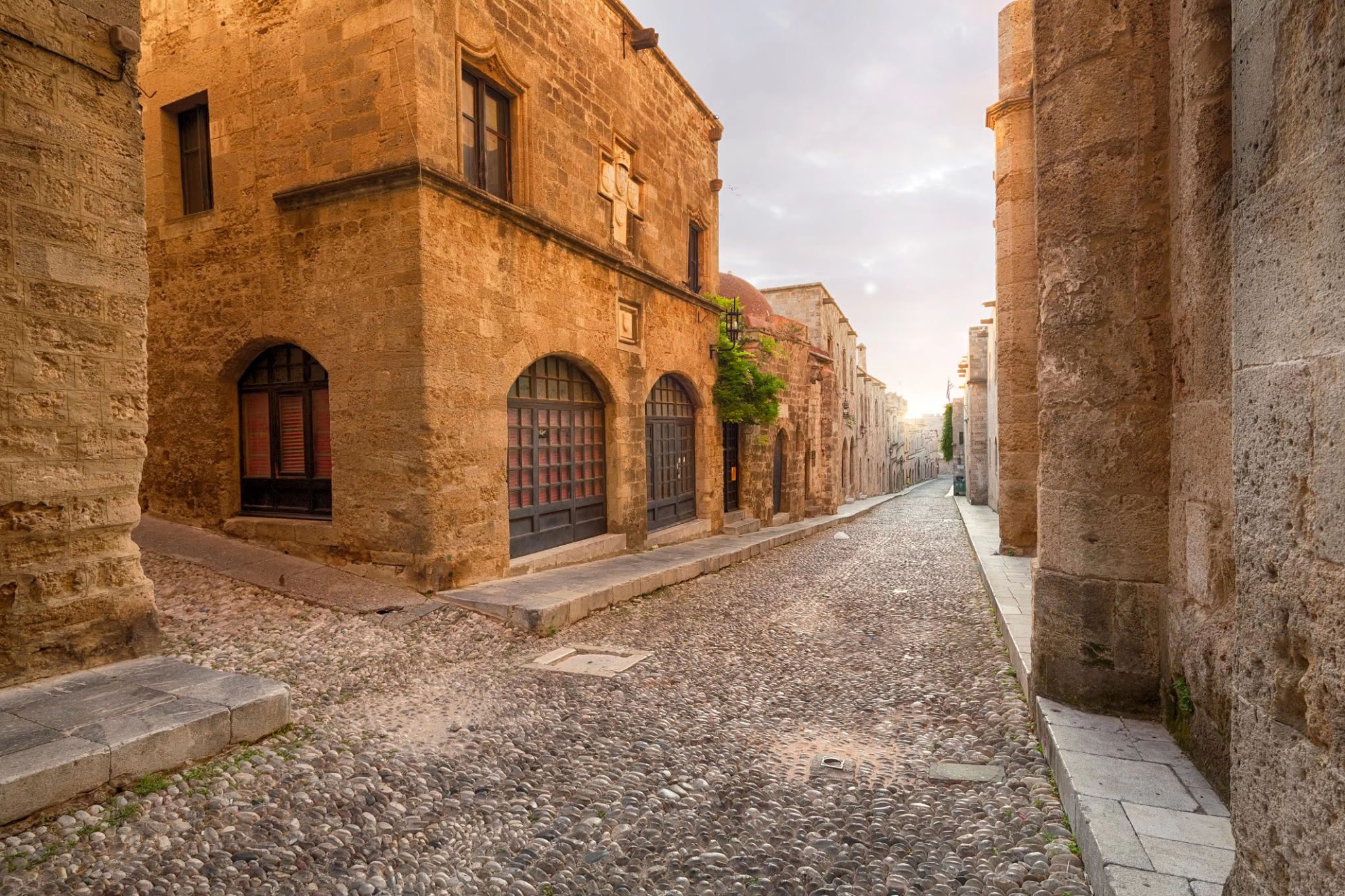
Long before the bustling shops of modern-day Socratous Street, this area served a very different purpose. During the era of the Knights Hospitaller (1309–1522), the heart of the city was defined by the magna et communis platea—the “great and common plaza”

This was no ordinary street. Stretching between 30 and 80 meters wide, it was a vast, unbuilt space flanking the land walls. It served as a vital defensive zone, but also as the primary stage for the city’s public life. Imagine the clang of armor and the cheers of citizens during religious ceremonies and grand festivals that once filled this wide-open space. It was the official public face of a Western medieval “ville d’accession,” where European traders and banking houses laid the foundations of the island’s commercial fame.

The Transformation: From Defense to a Bustling Bazaar

The year 1522 marked a pivotal shift in the destiny of Rhodes. After the great siege, the city passed from the Knights to the Ottomans, and the urban landscape began a radical transformation. The once military-focused platea was reimagined as a lively, hierarchic structure of commerce: the Eastern Bazaar.


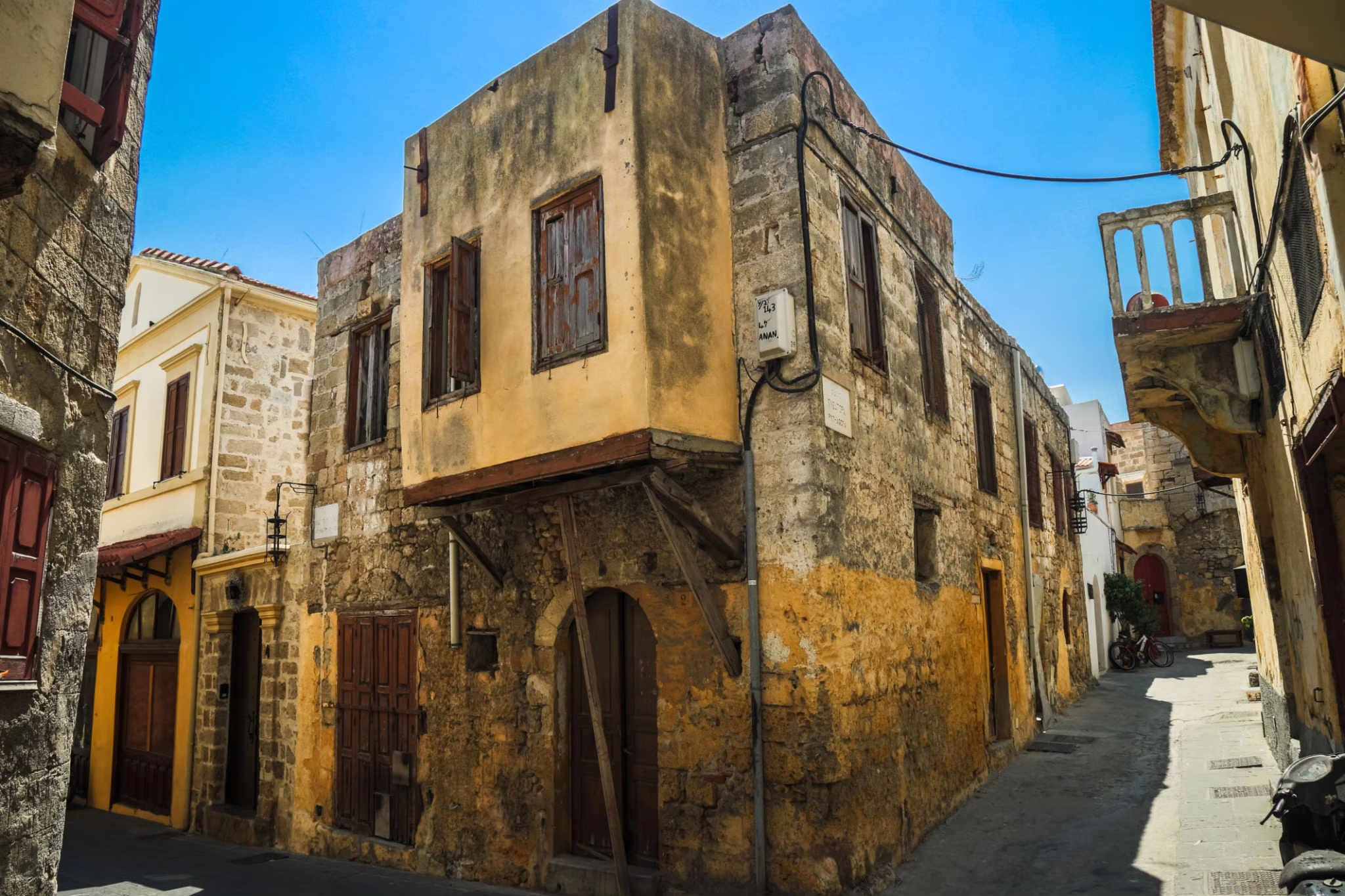
The open gathering spaces were gradually occupied by a labyrinth of shops and covered alleys. This wasn’t just a market; it was the “economic pulse of the city”. Walking through it today, you can still feel the echoes of the organized commercial zones where specialized professions—textile traders, metal workers, perfumiers, and jewelers—each had their designated space. The bazaar became a multicultural hub where Greek Orthodox Christians, Latin Catholics, Jews, and Muslims lived and traded side by side with remarkable resilience.

Architectural Jewels You Must Visit

As you wander from our boutique hotel towards the heart of the bazaar, keep an eye out for these transformative landmarks:

  • The Suleiman Mosque: Dominating the highest point of the bazaar axis, this mosque (established in 1808 in its current form) replaced earlier structures and became the visual anchor of the market.

  • The Hafız Ahmed Agha Library: Established in 1793, this beautiful library marked a westward expansion of civic life, turning the area into a hub of learning and culture.

  • The Clock Tower: Built atop a Byzantine guard tower, it introduced the symbolic presence of time into the cityscape and remains one of the most distinctive landmarks of the old market

  • The Traditional Coffee Shops: Look for the “Karpathos” coffee shop on Lachetos Street; it actually occupies the site of an unidentified old mosque, a testament to how the city constantly repurposes its history.


    The “Melting Pot” Atmosphere

The beauty of Rhodes lies in its “creative coexistence of western and eastern elements”. You will see elegant Ottoman domes and sky-high minarets standing proudly alongside late medieval architecture. This unique urban fabric was further refined during the Italian administration (1912–1947), which restored many monuments and added neoclassical touches, creating the enchanting atmosphere we enjoy today.


Experience the Magic at Aria di Rodi

At Aria di Rodi, we are proud to be part of this “layered and dynamic history”. Our boutique hotel offers more than just a room; it offers a gateway to this transformative era. Whether you are sipping coffee in a courtyard that has seen centuries of change or walking the same stones once trodden by knights and merchants, the magic of the Old Town is ever-present.

We invite you to lose yourself in the picturesque alleys, discover hidden fountains, and feel the spirit of a city that has served as a strategic crossroads of the Mediterranean for nearly a millennium.

Book your stay with us and become a part of the living history of Rhodes.


For those who wish to dive deeper into the fascinating architectural evolution of our city, we highly recommend reading the full research paper by Katerina A Manoussou-Ntella

Read the full research on Academia.edu about The Transformation of the magna et communis platea of the Hospitaller’s Town of Rhodes into an Ottoman Bazaar

Rodi, centro storico: Un viaggio nel cuore medievale dell’isola

Il centro storico di Rodi si trova sull’isola di Rodi, che fa parte dell’arcipelago del Dodecaneso, in Grecia. Rodi è famosa per essere una delle città medievali meglio conservate d’Europa ed è stata dichiarata Patrimonio dell’Umanità dall’UNESCO nel 1988.

Il centro storico di Rodi è conosciuto come “Città Vecchia” o “Città Medievale” ed è circondato da mura fortificate che risalgono all’epoca dei Cavalieri di San Giovanni, che governavano l’isola nel periodo medievale. Le mura sono ben conservate e si possono ancora ammirare otto delle porte originali che permettono l’accesso al centro storico.

All’interno delle mura, si possono trovare strette stradine lastricate, piccole piazze e numerosi edifici storici. Una delle attrazioni principali è il Palazzo dei Gran Maestri, un imponente edificio che era la residenza ufficiale dei Cavalieri di San Giovanni. Oggi ospita il Museo Archeologico di Rodi, che espone una vasta collezione di reperti archeologici provenienti da Rodi e dalle isole vicine.

Altre attrazioni del centro storico includono la Torre dell’Orologio, l’Acropoli di Rodi, la Moschea di Solimano il Magnifico, il Palazzo del Castellania e numerose chiese medievali. Camminare per le strade del centro storico offre un’atmosfera unica, con negozi, ristoranti, caffè e piccoli negozi artigianali.

Il centro storico di Rodi è un luogo affascinante da esplorare, ricco di storia, cultura e architettura. È un’esperienza imperdibile per i visitatori che desiderano immergersi nel passato e scoprire la bellezza di questa antica città.

Se stai pianificando una visita al centro storico di Rodi, potresti prendere in considerazione la prenotazione presso il boutique hotel “Aria di Rodi”. Situato all’interno delle antiche mura cittadine, Aria di Rodi offre un’incantevole e confortevole sistemazione che fonde comfort moderni con l’atmosfera unica della città medievale. Con le sue camere eleganti, la terrazza panoramica e l’ospitalità calorosa, Aria di Rodi offre un piacevole rifugio dopo una giornata di esplorazione dei siti storici e delle vivaci strade della vecchia città di Rodi. Che tu sia interessato alla storia, alla cultura o semplicemente desideri immergerti nell’incantevole atmosfera della città, Aria di Rodi può essere una fantastica scelta per il tuo soggiorno.
Exploring the Old Town of Rhodes

Discover the rich history and beauty of the old town of Rhodes, a UNESCO World Heritage site.

Rhodes is a beautiful island located in the eastern Aegean Sea, known for its stunning beaches, crystal-clear waters, and vibrant nightlife. However, what sets Rhodes apart from other destinations is its rich history, particularly the Old Town of Rhodes, a UNESCO World Heritage site.

History of the Old Town of Rhodes

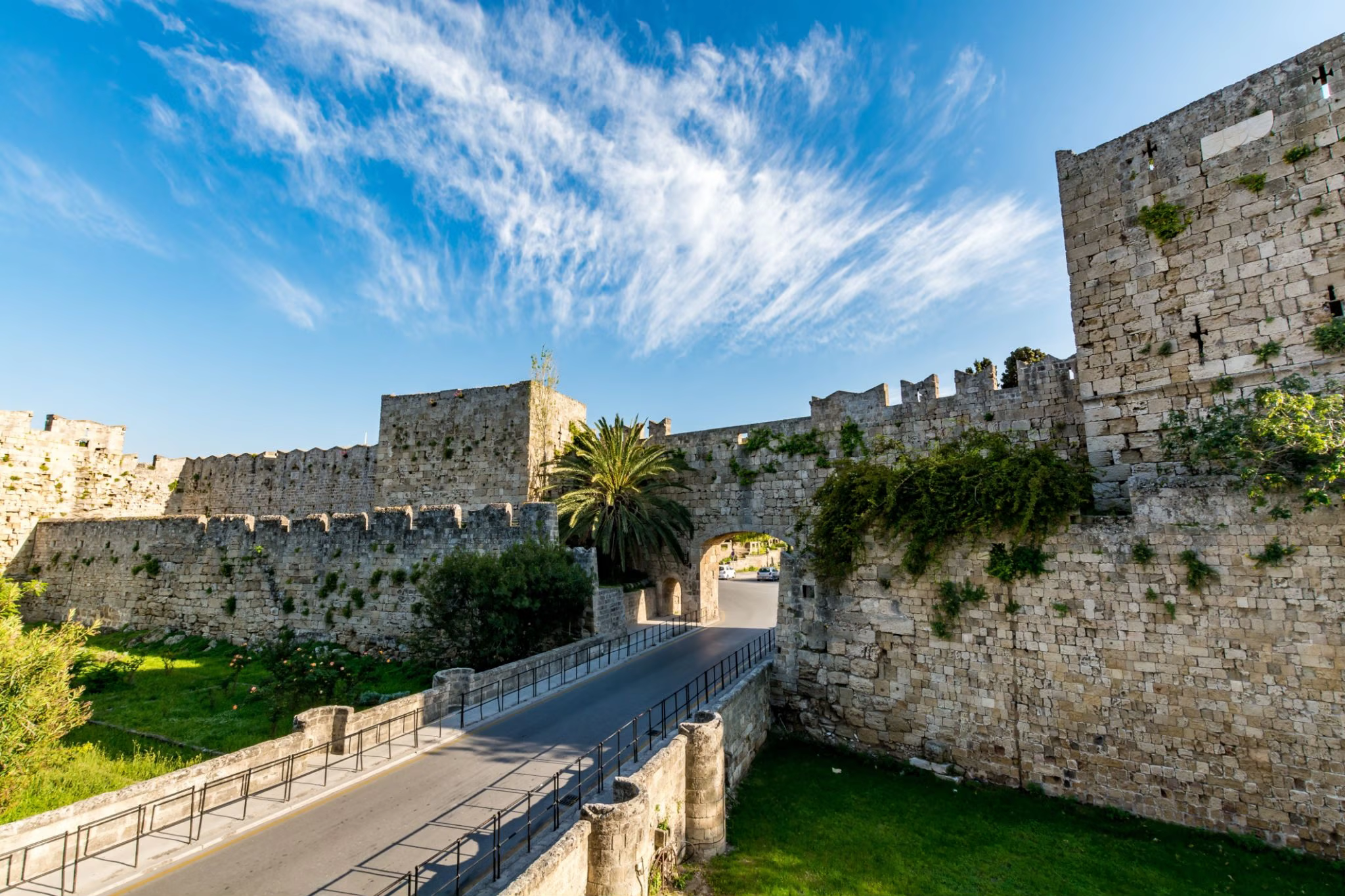
The Old Town of Rhodes is a walled city that dates back to the 14th century. Built by the Knights of St. John, who were a Christian military order that controlled the island during the Middle Ages. The town is famous for its medieval architecture. It includes fortifications, towers, and gates, and it’s a testament to the island’s turbulent history.

Walking Tour of the Old Town

Clearly, one of the most popular ways to explore the Old Town is by walking around its narrow streets. Lined with beautiful buildings, churches, and shops. Divided into two parts: the inner and outer parts. The inner part is where the Knights of St. John lived, characterized by its elegant architecture and beautiful squares. The outer part is where the common people lived, and it’s more rustic in appearance.

Highlights of the Old Town

As you walk through the streets of the Old Town, you’ll notice that many of the buildings have been beautifully restored, and the streets are lined with shops selling traditional handicrafts and souvenirs. You’ll also notice that the town is incredibly well-preserved, with many of the buildings dating back to the medieval period.

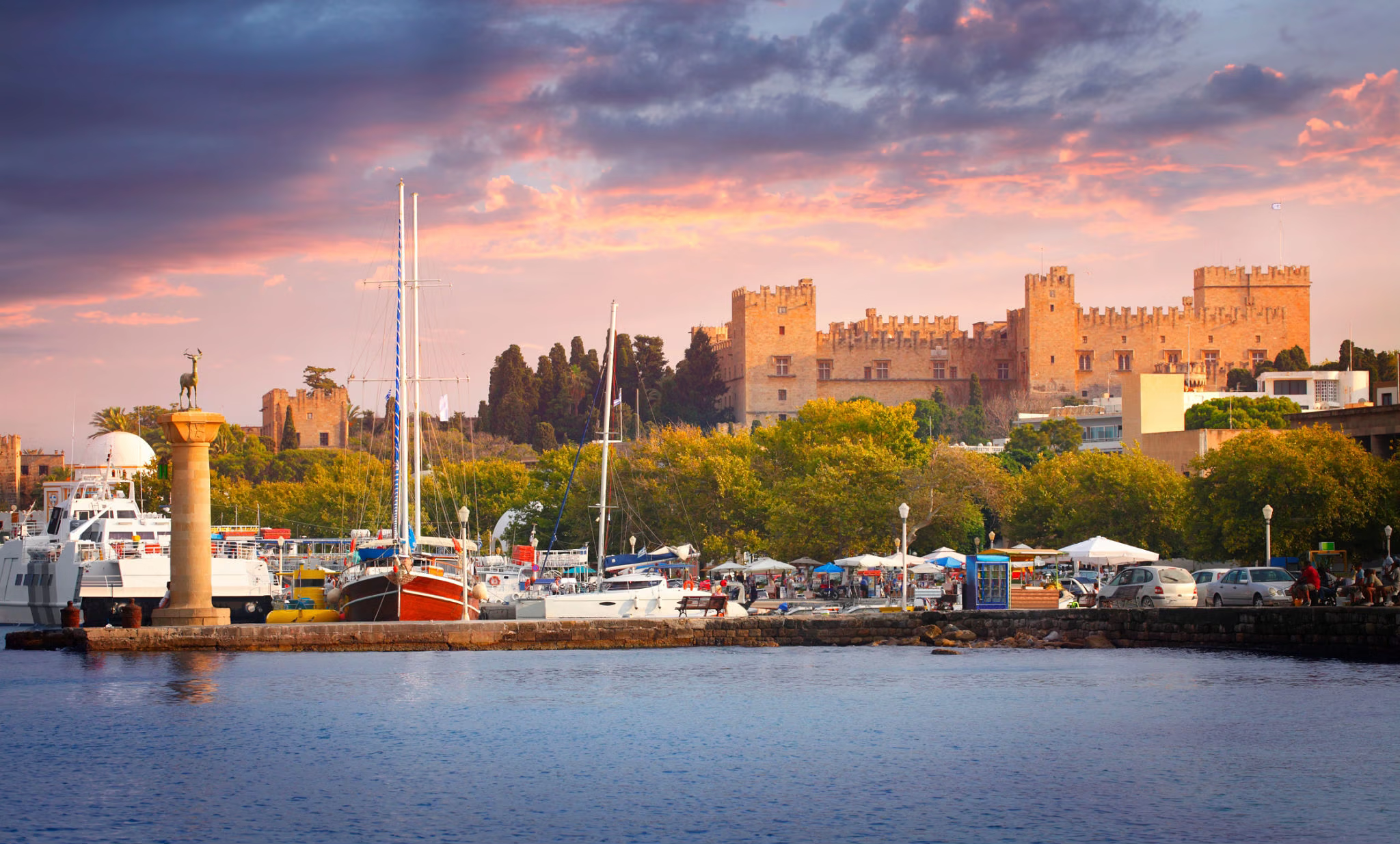
Without a doubt, one of the highlights of the Old Town is the Palace of the Grand Master of the Knights of Rhodes. Originally built in the 14th century and as the residence of the Grand Master of the Knights of St. John. Today, it houses a museum that showcases the history of the Knights and the island.

Another must-see attraction in the Old Town is the Archaeological Museum of Rhodes. Housed in the former hospital of the Knights of St. John. The museum is home to a vast collection of ancient artifacts, including pottery, statues, and jewelry.

Evening in the Old Town

Undoubtedly, one of the best times to visit the Old Town is in the evening when illuminated, and there are less crowded streets. You can enjoy a romantic stroll through the streets and admire the medieval architecture in all its glory.

Filming Locations in the Old Town

Moreover, the Old Town of Rhodes is a popular location for filming movies and TV shows. Some of the most famous films shot in the town include “The Guns of Navarone,” “El Greco,” and “Pascali’s Island.”

Conclusion

In conclusion, the Old Town of Rhodes is a must-visit destination for anyone traveling to Rhodes. It’s a beautiful and well-preserved medieval town that offers a glimpse into the island’s rich history. Whether you’re interested in architecture, or history, or just looking for a beautiful place to take a stroll, the Old Town of Rhodes is an excellent choice. So, make sure to include it in your travel itinerary, and don’t forget your camera!